

Drywall and painting
Touch up interior paint
A scuff or a filled nail hole can disappear if you still have the paint that is on the wall, in the same sheen. A different sheen, or paint from a different can mixed years ago, will show as a shiny or dull island even when the color is close.
Tools needed
- The original paint, stirred, or a fresh can of the same product and sheen
- A small brush or a foam roller
- A damp cloth and mild soap
- Painter's tape only where the spot meets trim
Steps
Wash the spot with a damp cloth and a drop of mild soap. Let it dry. Paint will not stick to grease or hand oil.
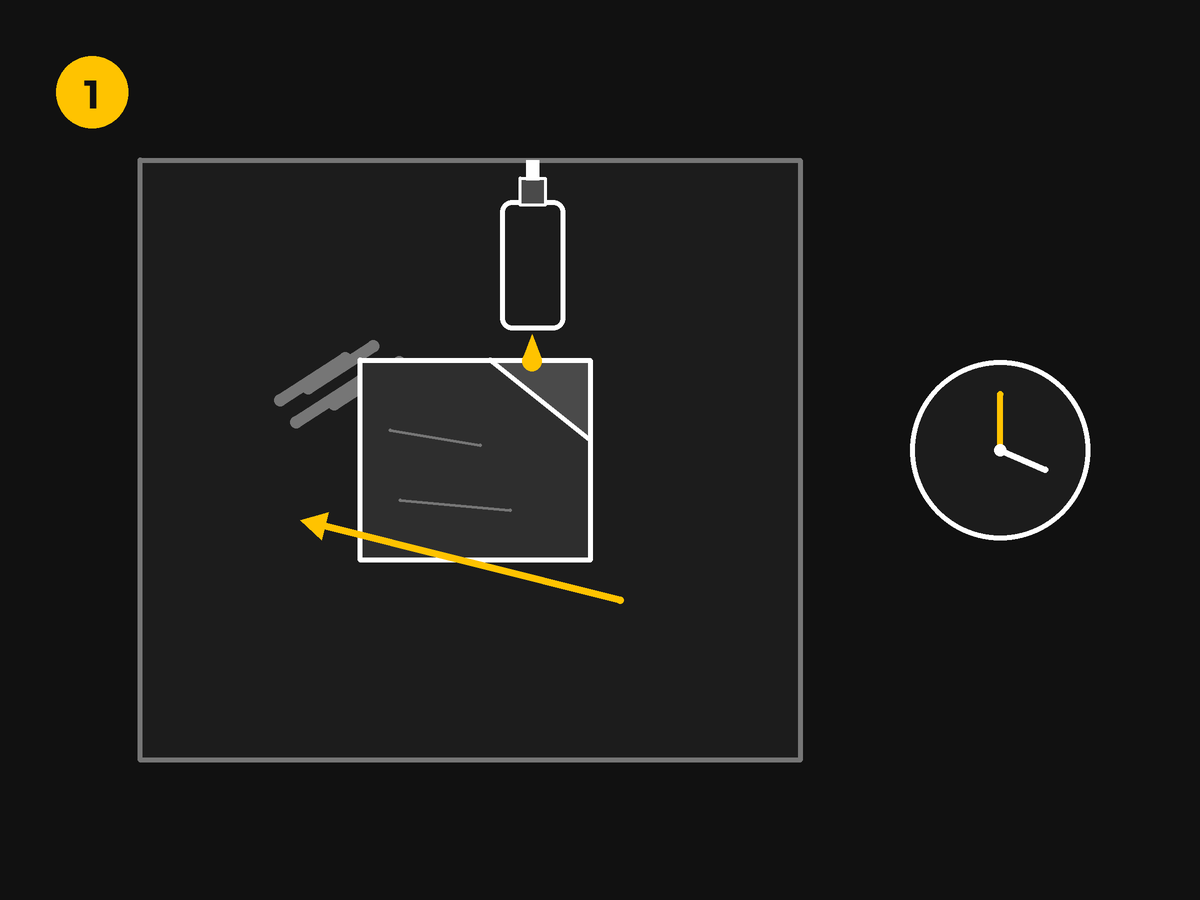
Stir the paint. Do not shake a full can hard enough to make bubbles. If the can has separated into a clear layer and a thick layer, stir until the color is even.

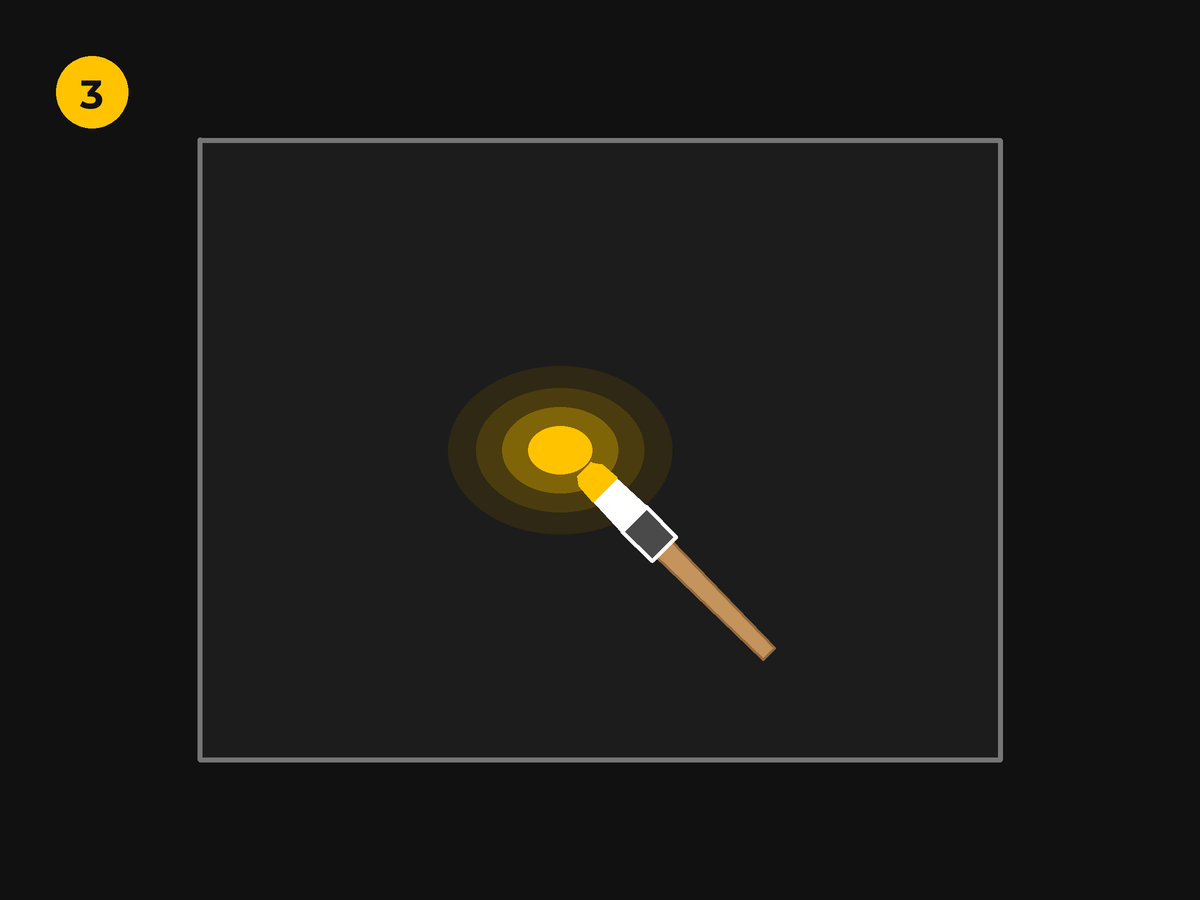
Load the brush lightly. Dab the spot, then feather the edges out onto the surrounding paint with almost no paint on the brush. A hard-edged blob is what the eye catches.
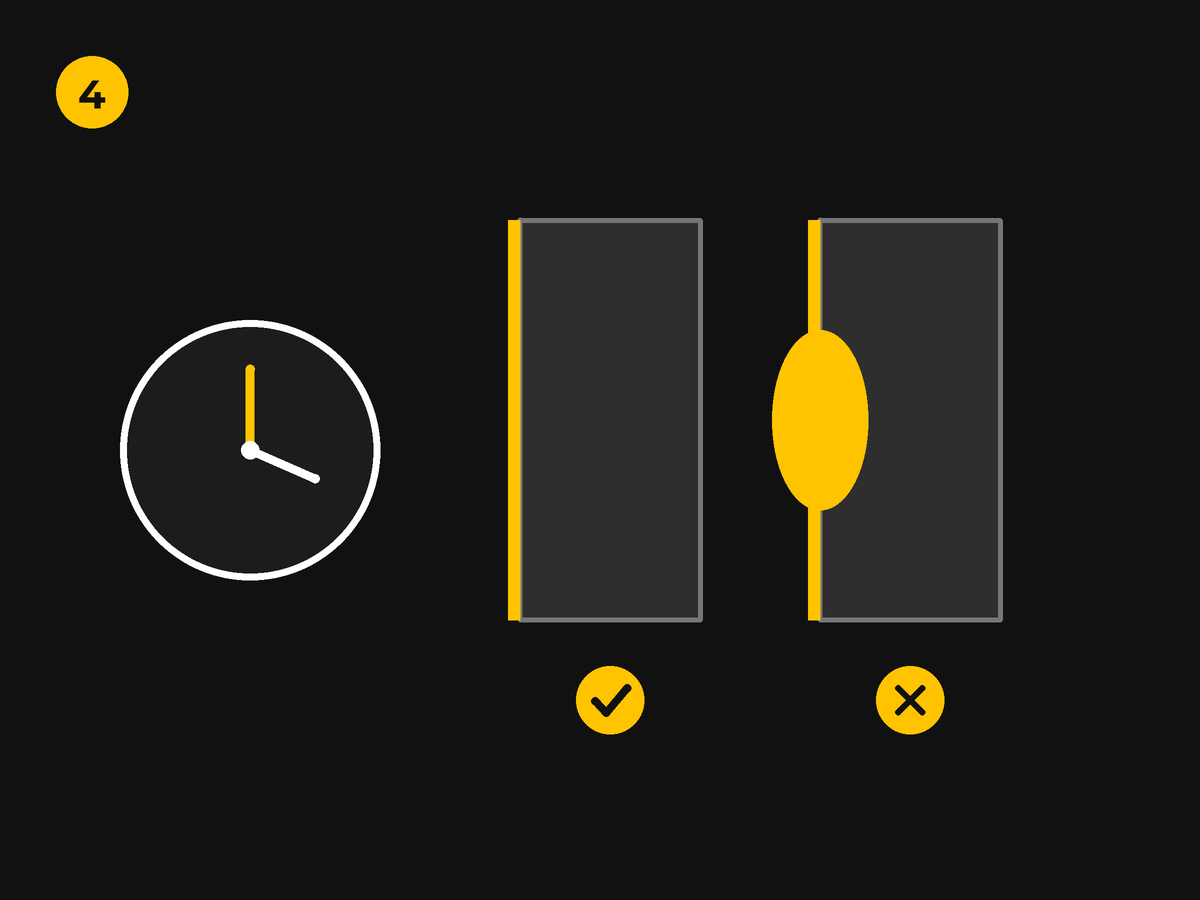
Let it dry. Add a second thin coat only if the first one still looks thin. Thick touch-up stays raised.
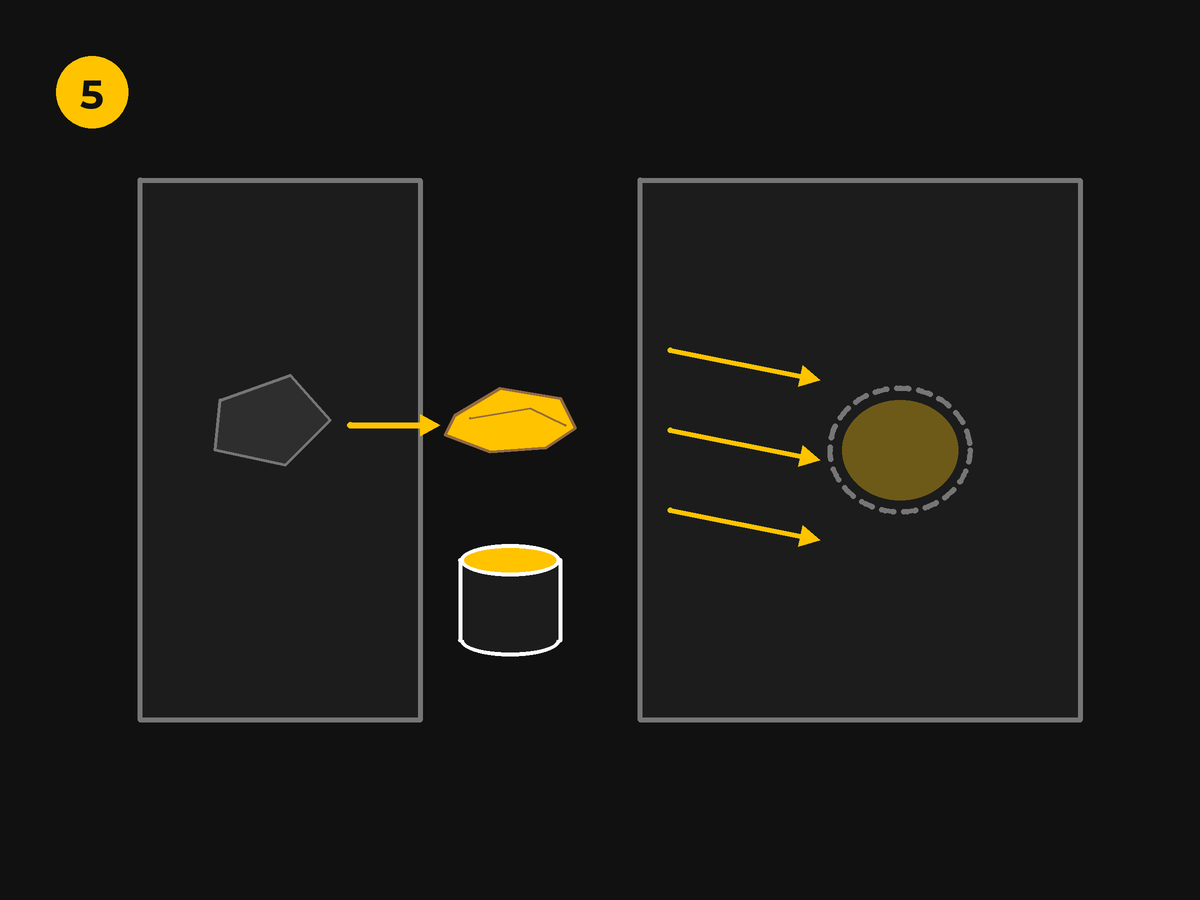
If you do not have the original can, a match made from a chip is the next best source. Expect the patch to be visible in a raking light. That is the limit of a touch-up, not a failure of the brushwork.
Safety notes
- Ventilate the room. Water-based wall paint is the usual product for an interior touch-up. Read the can before you assume that.
- Keep the can and the wet brush away from children and pets until the film is dry.
- If the stain keeps bleeding through, the wall may be wet or smoke-stained. Painting over an active leak hides it. Find the water, and call Fixer's if the source is a pipe.